Using a ground-placed solar container to solve limited roof space and energy management challenges
RV owners often assume all solar for RVs must go on the roof. In practice, roof space is limited and fixed. A ground-placed solar container sited at an RV campground or semi-permanent parking area changes the game: it provides extra array area, modular battery capacity, and a centralised control system. This article explains why a ground solar container is often the smarter way to deliver reliable solar power for RV, how to integrate it with roof panels, and what practical steps ensure safe, efficient operation.
Why does solar power for RV hit a ceiling when you only use the roof?
An RV roof has a small, fixed area. Antennas, vents, air conditioners and roof racks reduce usable panel space. You can install high-efficiency rv panels, but even the best cells cannot create more physical area. Roof panels are also limited by tilt (often flat) and local shade. That’s why solar power for RV frequently stalls: more demand (longer stays, fridges, multiple devices) quickly outpaces roof supply.
A ground solar container solves the ceiling problem by providing extra PV area off the vehicle. Instead of forcing watts onto a cramped roof, you place the container in full sun at the campsite. The container’s array harvests energy more consistently and its battery stores what the roof panels cannot. For RV owners who need more than basic lights and phone charging, this approach scales solar power for RV without modifying the vehicle.
What role does a ground solar container play in an RV campsite?
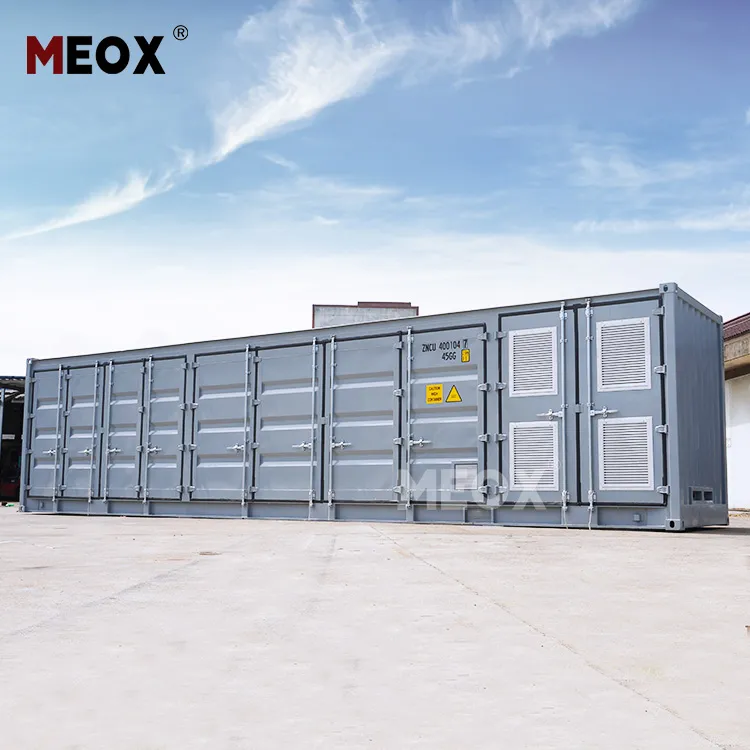
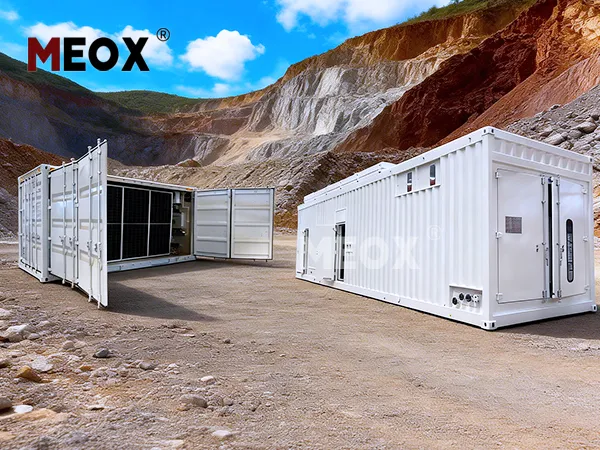
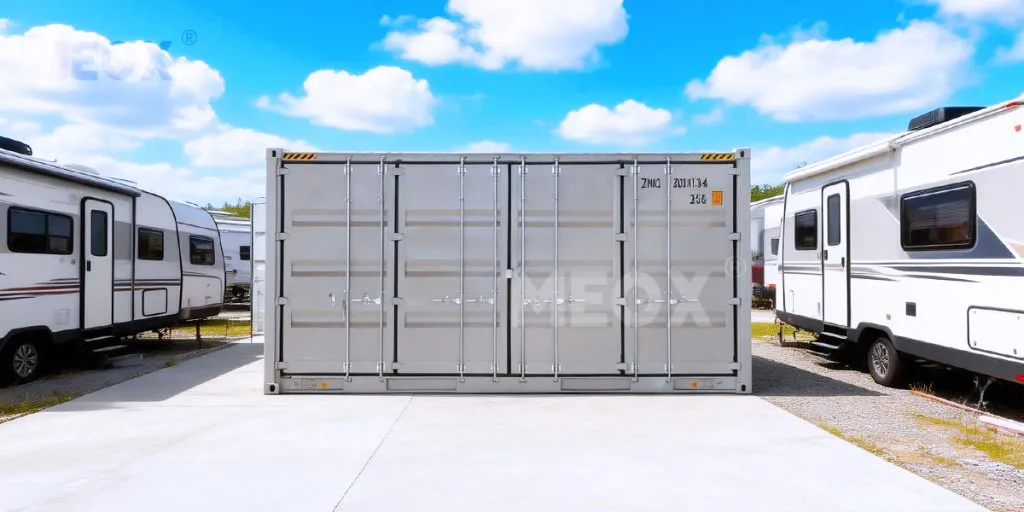
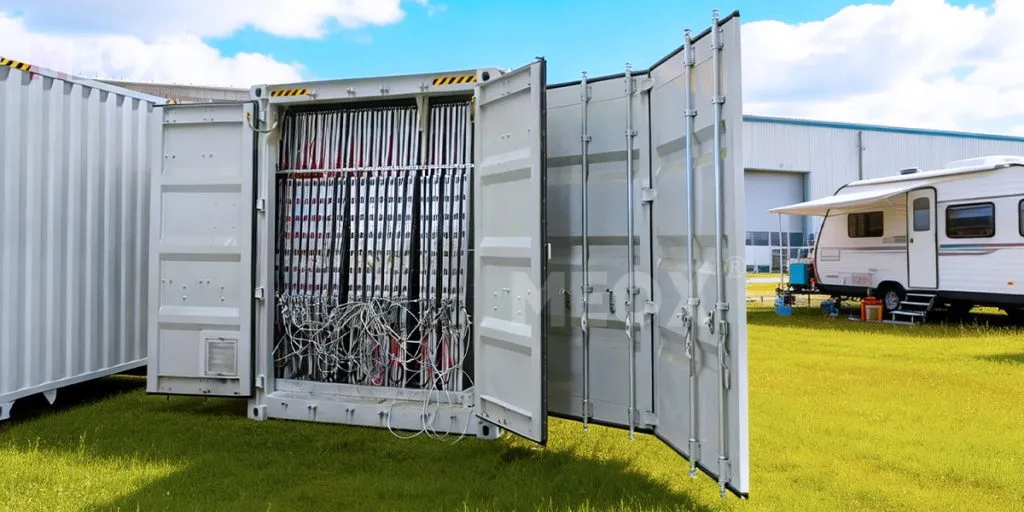
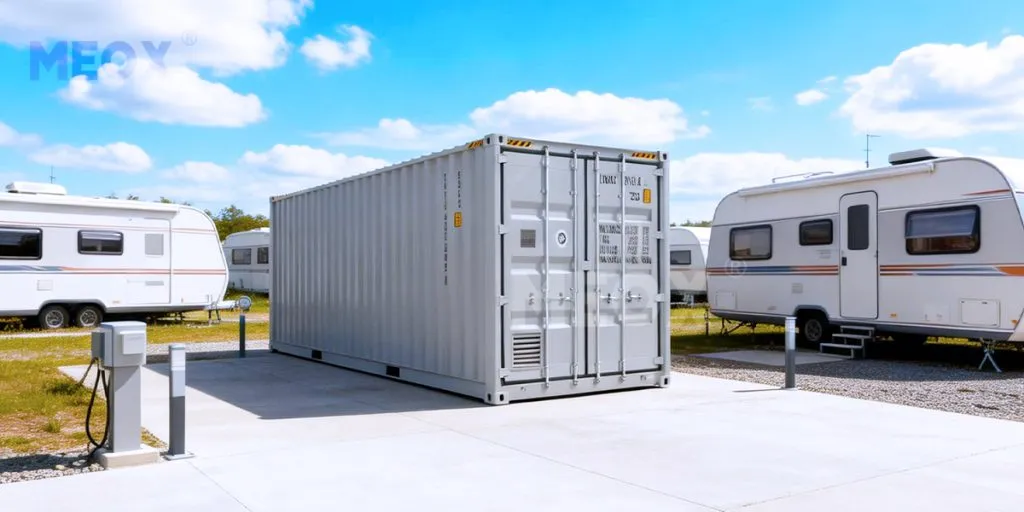
A ground solar container is a standalone unit—PV, batteries, inverters and controls—sited on the ground at a campground or semi-permanent parking area. It acts as a shared energy hub that supplements or replaces rooftop generation. For solar power for RV, the container functions as the campsite’s power station: multiple RVs can draw from it, refrigeration and lighting get steady supply, and peak loads are handled without stressing individual vehicle batteries.
Because the container is ground-based, you can size it for the site. Small containers provide overnight lighting and device charging for a handful of RVs. Larger containers offer kWh-scale storage for longer stays, events, or communal facilities. This flexibility makes ground containers a practical extension of solar power for RV for campgrounds, parks, and eco-tourism sites.
How does a solar container beat adding more roof panels?
Adding more roof panels is useful up to a point. When roof area is exhausted, options are limited: change to larger panels (if they fit), or accept lower yields. A ground container adds two advantages in one package: more PV area and integrated storage.
Practically, a container provides:
Greater daily harvest because panels can be tilted and oriented, avoiding roof constraints.
Larger battery capacity so energy collected is usable at night.
Centralised controls (MPPT, BMS) that optimise charging across arrays.
If you need reliable solar power for RV across multiple nights or for higher loads (fridge, pumps, shared lighting), the container is more cost-effective per kWh than forcing tiny gains on a limited roof.
How should you integrate a ground solar container into RV electrical systems?
Integration options depend on the RV and the campsite setup. Two common methods work well:
AC coupling via transfer switch — The container feeds AC power to a site distribution inlet; the RV can switch to container power like shore power. This is simple for most RVs and avoids vehicle rewiring.
DC coupling using a dedicated input— For RVs with DC shore inputs, the container provides regulated DC charging or ties into the RV’s DC distribution with appropriate isolators. This is more efficient for pure DC setups but requires compatible wiring.
In either case, use a proper transfer switch or isolation device so the RV and container do not backfeed each other. The container’s MPPT controllers and battery management system enable intelligent rv energy management: they prioritise critical loads, shift charging to peak sun hours, and prevent deep cycling of RV house batteries. Good energy management reduces generator use and extends battery life.
Can a ground solar container work together with roof panels and high-efficiency panels?
Yes. A hybrid approach is often best. Roof-mounted high-efficiency rv panels still harvest energy while the RV is driving or when the container is shaded. The container covers the times when roof yield is insufficient—overnight or under persistent cloud. Together they form a resilient solar power for RV system:
Roof panels handle daytime, short-term loads.
Container provides bulk storage and higher continuous output.
High-efficiency panels maximize energy from the limited roof area, while the container picks up the slack.
This redundancy gives consistent power and reduces the need for generators.
Is a ground solar container practical for weekend RV camping, or is it only for long stays?
Because the container is semi-permanent, camp operators can install one unit that serves many guests. This is often cheaper and simpler than requiring every RV to upgrade its roof. The container approach fits both casual weekend trips and recurring, multi-day camping operations.
What about transport, footprint and safety for a ground container?
Ground containers are designed for fixed placement. They require a level pad, clearance from trees and structures, and adequate ventilation. Key considerations:
Footprint & siting: leave enough clearance for tilt and maintenance; avoid shade paths.
Ventilation & cooling: battery compartments need airflow to manage temperature.
Cabling & connectors: use rated cables, MC4/Anderson adapters or standard site inlets; keep runs short to minimise voltage drop.
Protection & regulations:ensure waterproof junctions, lockable enclosures, and compliance with campground rules regarding external power units.
A well-installed ground container is lower maintenance than many dispersed rooftop systems because all critical components are accessible in one place.
How does a solar container improve rv energy management in daily use?
In daily operation, the container enables predictable load control. Its BMS and MPPT controllers track production, storage and consumption. rv energy management policies can be preconfigured: high-priority loads (fridge, safety systems) stay powered; non-essential loads (EV charging, extra heaters) are deferred or rate-limited. Monitoring shows state of charge and forecasted autonomy so users can plan behavior or add generation if needed.
This system-level management reduces generator dependency and simplifies power planning for RV owners and campground operators alike.
- Practical tips for deploying a ground solar container at an RV site
- Site the container in full sun and give it room from trees.
- Use short, appropriately rated cables and secure connectors.
- Match connector types or carry adapters to interface with varied RV shore inputs.
- Set clear signage for shared use: load priorities, connector locations, and emergency shutoff.
- Maintain a pre-trip checklist: panel clean, battery health check, and firmware/monitoring updates.
These small steps turn a ground container into a dependable solar power for RV solution that’s as simple to use as shore power.
When is a ground solar container the best choice for solar power for RV?
A container is the right choice when roof area is constrained, when night autonomy is required, when multiple RVs share a site, or when you want a low-maintenance, centrally managed energy source. Start with a compact container for weekend needs and scale up to larger units for events or long-term camps. The container approach makes solar power for RV predictable, scalable, and operationally simpler.
Solar containers shift the focus from squeezing watts onto a roof to building a flexible campsite energy system. Combined with high-efficiency rv panels on available roof space and sound rv energy management, a container-first strategy delivers practical, reliable solar power for RV for weekend campers and campground operators alike. For tailored configurations and planning assistance, MEOX can discuss ground solar container options that match common RV campground needs.