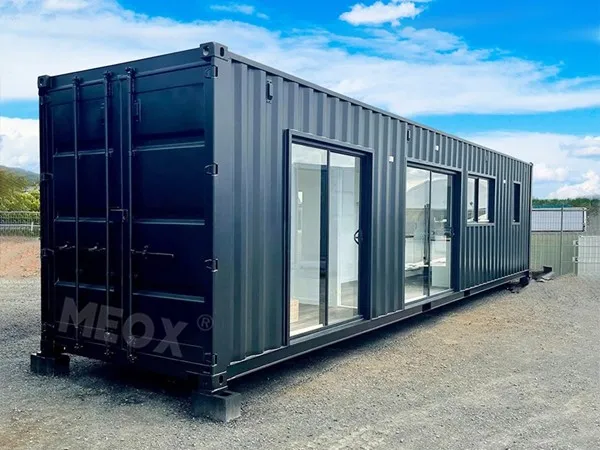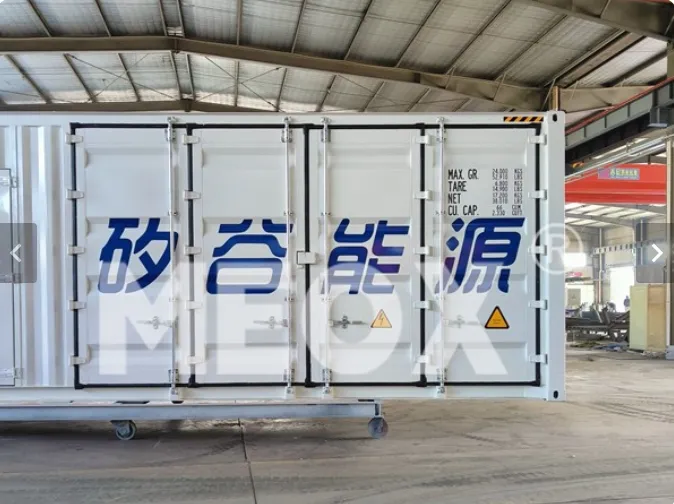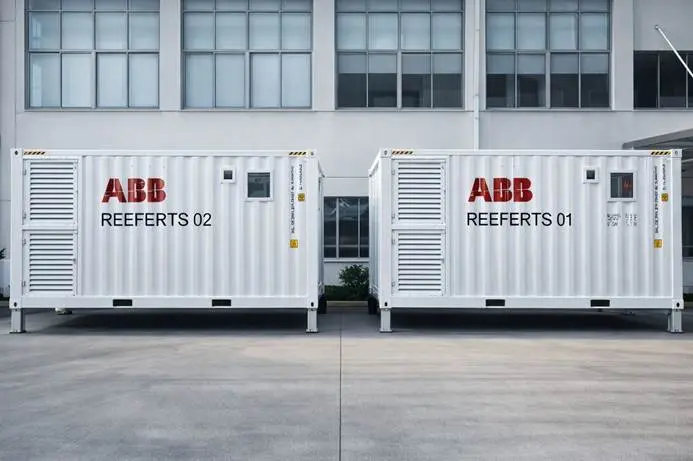
A portable solar power station for medical camps can keep a field clinic running when the grid fails. This article focuses on one precise problem. Clinics in temporary or remote camps must protect vaccine cold chains and life-support devices. These loads are critical. Loss of power risks patient safety and vaccine potency. Containerized solar + battery systems reduce that risk. They combine secure housing, proper ventilation, and integrated controls. Below we explain how. We also give a clear sizing example and simple SOPs the clinic can follow.
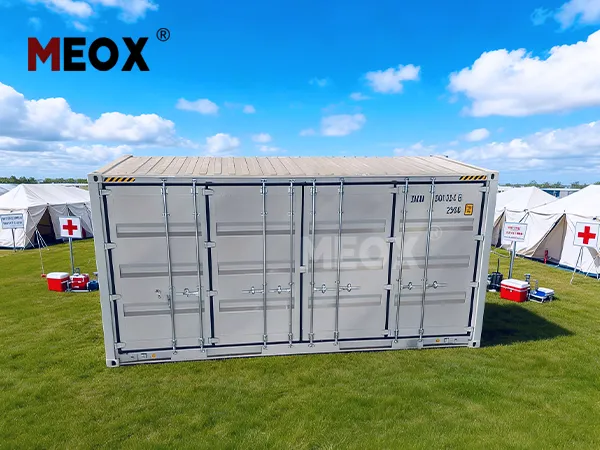
Portable Solar Power Station: Ensuring Cold-Chain & Life-Support Continuity
A portable solar power station must do three things for a medical camp. First, it must supply steady power to refrigeration. Second, it must protect life-support and oxygen equipment. Third, it must alert staff if something goes wrong. Vaccine refrigerators need stable power and tight temperature control. Oxygen concentrators and monitors are sensitive to interruptions. A fast, automatic switchover prevents harmful outages. In many programs, solar refrigerators now keep vaccines safe in places without reliable grid power. This is a proven approach in global immunization efforts.
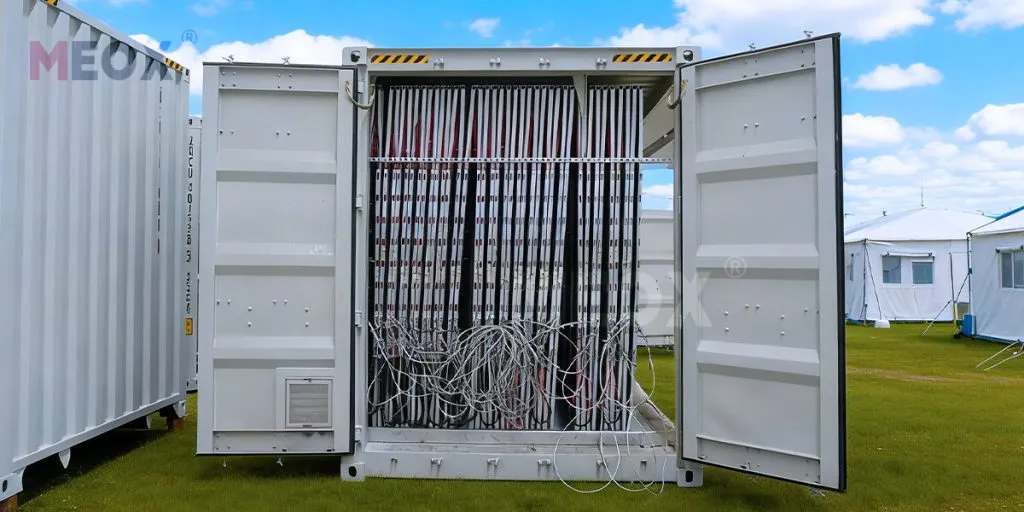
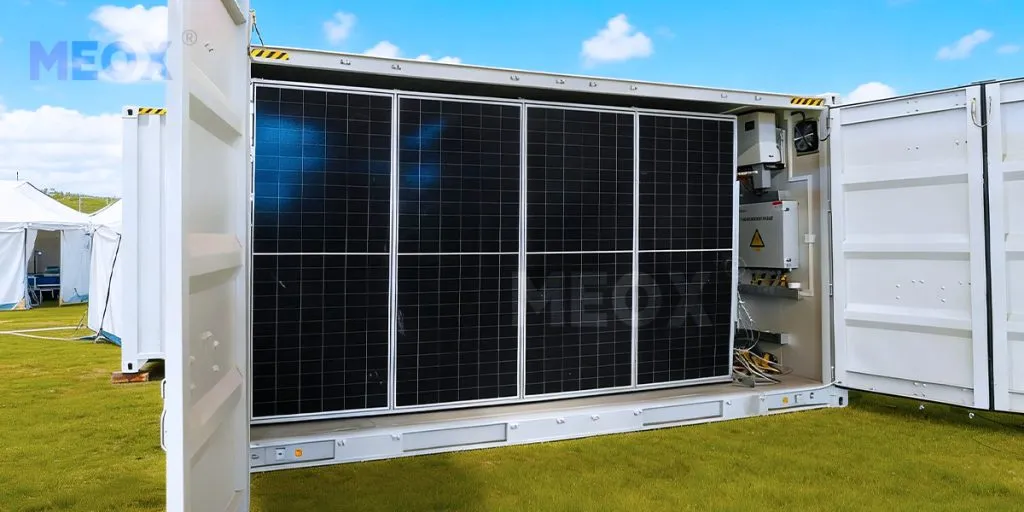
Containerized systems add practical safety. A container gives secure space for battery racks and inverters. It allows planned ventilation and fire management. It also organizes cabling and reduces trip hazards. Case studies show container clinics cut diesel use and simplify power integration of medical systems.
Key system functions to demand: UPS (uninterrupted power), remote monitoring, temperature alarms, and a certified battery enclosure. These features protect patients and vaccines.
Portable Solar Power Station: Sizing Example for a Small Medical Camp
Good design starts with real numbers. Below is a simple example. Use it as a template. Adapt it to local needs.
Example camp daily loads (typical steady or average power):
Medical refrigerator: 150 W continuous → 150 W × 24 h = 3,600 Wh/day.
Oxygen concentrator: 300 W when running, 8 h/day → 300 W × 8 h = 2,400 Wh/day.
Patient monitor(s): 30 W continuous → 30 W × 24 h = 720 Wh/day.
Lighting & misc: 100 W for 12 h → 100 W × 12 h = 1,200 Wh/day.
Add the sums: 3,600 + 2,400 + 720 + 1,200 = 7,920 Wh/day.
Add 20% for system losses and safety margin: 7,920 × 1.20 = 9,504 Wh/day → ~9.5 kWh usable energy required.
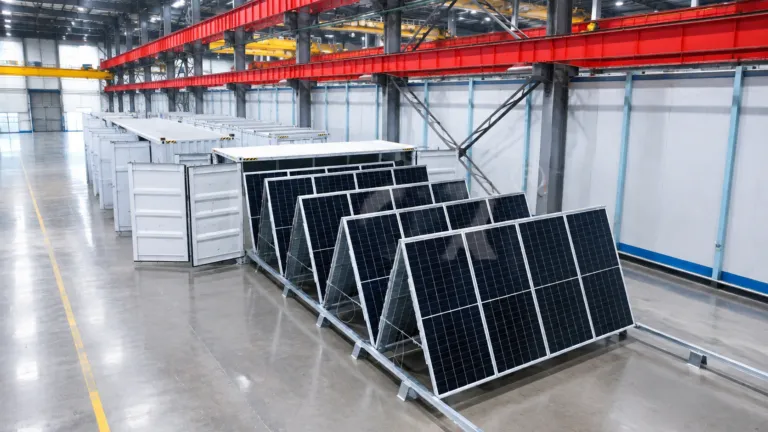
Sizing the PV array (simple rule): divide required daily recharge by peak sun hours. If the site gets 5 sun-hours/day, then PV needed ≈ 9,504 Wh ÷ 5 h ≈ 1,901 W, say 2.0 kW of PV to give margin.
Notes:
Use usable battery capacity when calculating. For LiFePO₄, you may use 90% depth of discharge safely.
The daily sun hours vary by season. Design for the worst month or add more battery.
Treat the above as an example only. Local climate, generator backup, and duty cycles change the results. For general guidance on sizing methods see engineering references.
Multi-functional Power Station: Safety & Features to Prioritize
When you shop or specify equipment, start with safety features. Ask for them by name.
LiFePO₄ battery chemistry. This chemistry resists thermal runaway more than many alternatives. It also lasts longer. Systems built around LiFePO₄ are better for clinical settings. EcoFlow.
Battery management system (BMS) and UL testing. A robust BMS manages cell balance, temperature, and charge limits. Look for systems tested to modern safety standards. UL 9540A assesses thermal runaway and containment for energy storage systems. That test helps planners and regulators trust large battery banks. UL.
True UPS with fast transfer. Medical devices need near-instant transfer. Choose systems with <10 ms switchover. That prevents monitors and oxygen devices from resetting or failing.
Surge and starter capacity. Refrigerators and compressors draw high surge currents at start. Specify inverters with adequate peak output.
Remote monitoring and alarms. The system should report state-of-charge, temperature, and fault codes to a phone or central server. Timely alerts let staff act early.
Modular, serviceable design. Choose systems where battery modules and inverters can be swapped quickly. This minimizes downtime during maintenance.
Explain each feature in procurement documents. Require third-party testing and clear warranty terms. These steps reduce operational risk.
Container-based Emergency Power System: Physical Safety, Deployment, and Site Practices
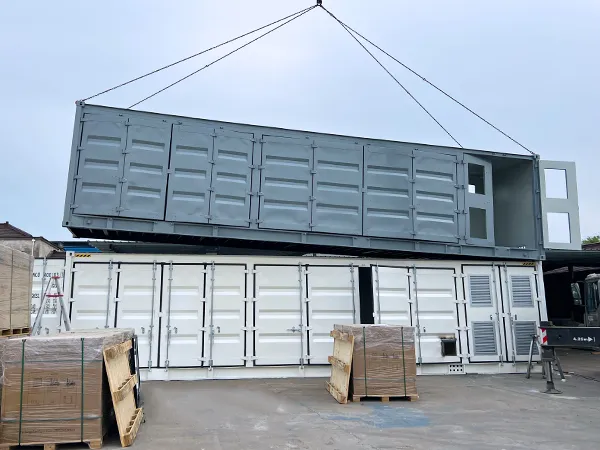
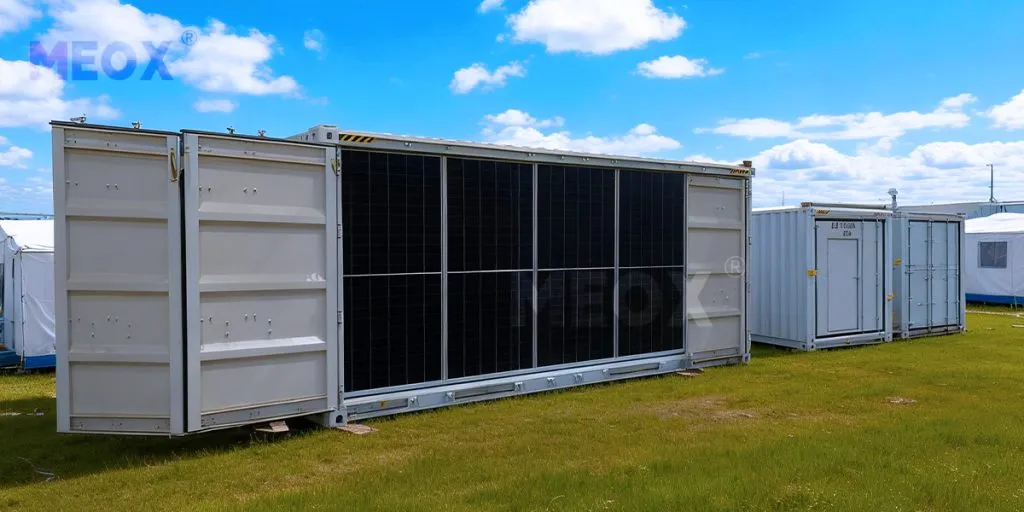
A container-based emergency power system simplifies many field risks. The container centralizes power equipment. It also creates a predictable environment for ventilation and fire safety.
Portable Solar Power Station for Medical Camps Site setup best practices:
Place the container on a level, stable base. This reduces stress on racks and doors.
Ensure ventilation paths. Battery enclosures need airflow and thermal sensors.
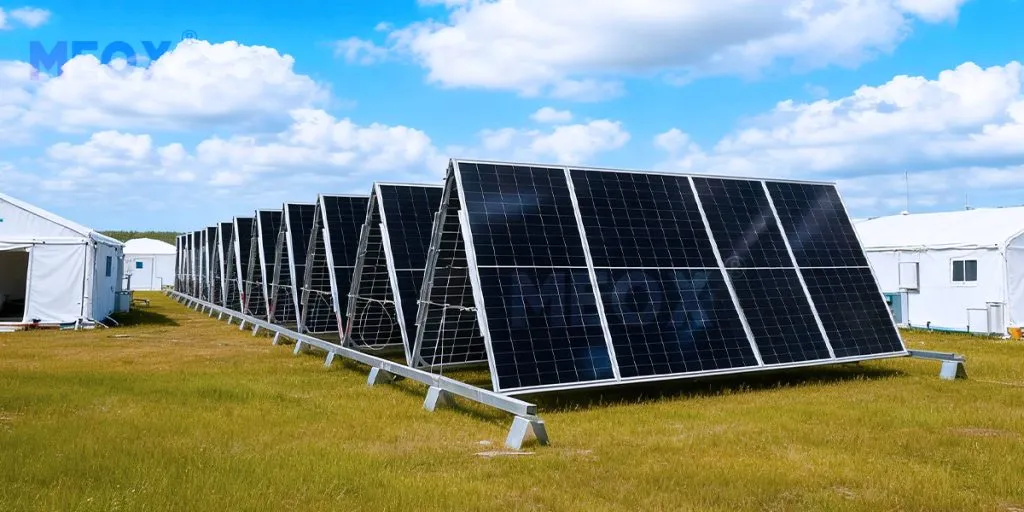
Orient PV arrays to maximize sun exposure. Avoid shading by trees or structures.
Ground the container and bond all electrical panels. Proper earthing reduces shock and noise.
Create exclusion zones for fuel and generators. Keep fuel away from battery spaces.
Install smoke and temperature sensors inside the container. Tie these to the remote alarm.
Portable Solar Power Station for Medical Camps Operational practices:
Train two named operators for the system. One must be on duty at night.
Label breakers and write a simple “emergency shutdown” procedure. Post it by the door.
Keep a daily log for battery temperatures and inverter faults.
Run weekly visual checks for corrosion, loose cables, or water ingress.
Schedule a professional safety inspection every 12 months.
Portable solar power station for medical camps have real precedents. Clinics using mobile or containerized solar setups report lower diesel use and simpler commissioning than ad-hoc hybrid solutions.
Practical Checklist & Quick SOPs (What You Should Do to Start a Portable Solar Station for medical camps project)
Use this one-page checklist at the start of a project.
List critical loads. Measure or get manufacturer watts.
Do the sizing calc above. Add 20% margin.
Specify LiFePO₄ batteries, BMS, and UL-tested enclosures.
Require a UPS with <10 ms switchover and adequate surge capacity.
Add remote monitoring and SMS/email alarms.
Include N+1 redundancy for refrigerator circuits.
Train two operators and run a fire drill.
Keep a printed emergency shutdown procedure next to the container door.
Each item is small. Together they cut risk sharply.
A portable solar power station for medical camps, when packaged as a container-based emergency power system, meets the real needs. It secures vaccine cold chains. It protects life-support equipment. It also reduces reliance on diesel and lowers operational complexity. Start by measuring your loads. Run the simple sizing example above. Then demand tested components, remote monitoring, and fast UPS transfer. Those steps keep patients and vaccines safe in the field.