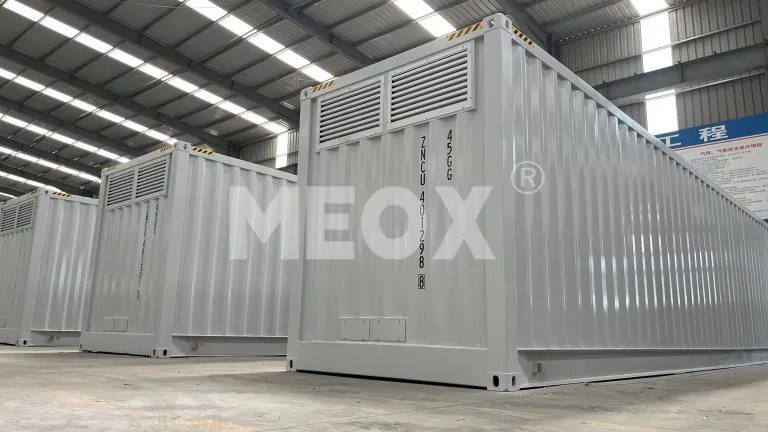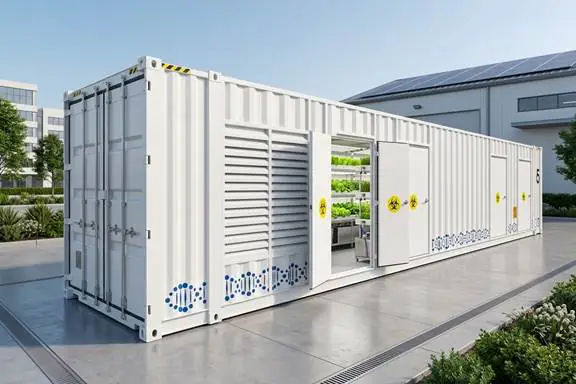
Handling wastewater is now one of the main issues in various types of locations like isolated construction camps, small towns, or industrial areas that are experiencing rapid growth. Conventional sewage treatment plants not only require a lot of land and have long construction periods, but they also need very high initial investments. Usually, this model doesn’t fit the projects.
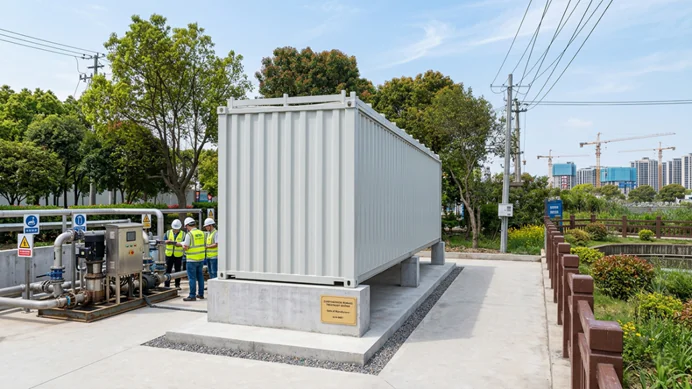
Sewage treatment that is containerized is becoming a sensible solution. By enclosing the entire treatment operation in one or multiple standard ISO containers, operators will be able to assemble a fully modular wastewater treatment system with very minimal site preparation, and two of which can be completed within a very short time. The World Health Organization estimates that 2 billion people worldwide still do not have access to safe sanitation, which highlights why scalable, deployable sewage solutions are even more important.
What Is a Containerized Sewage Treatment System?
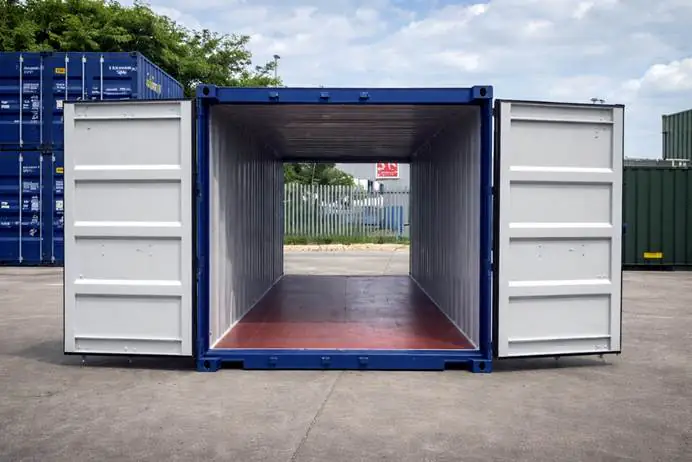
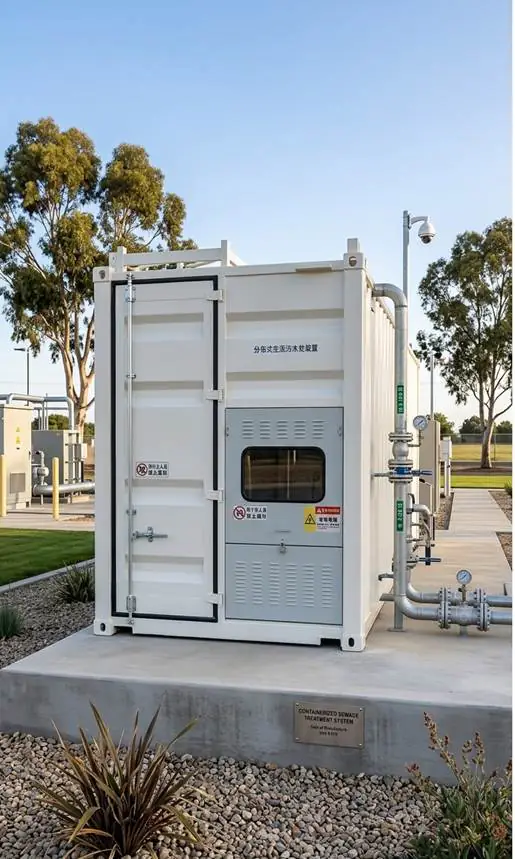
A containerized sewage treatment plant can be described as a unit that combines all the major stages of a traditional treatment facility screening, biological treatment, clarification, and disinfection into a small, self-contained unit that has been constructed inside a standard shipping container frame.
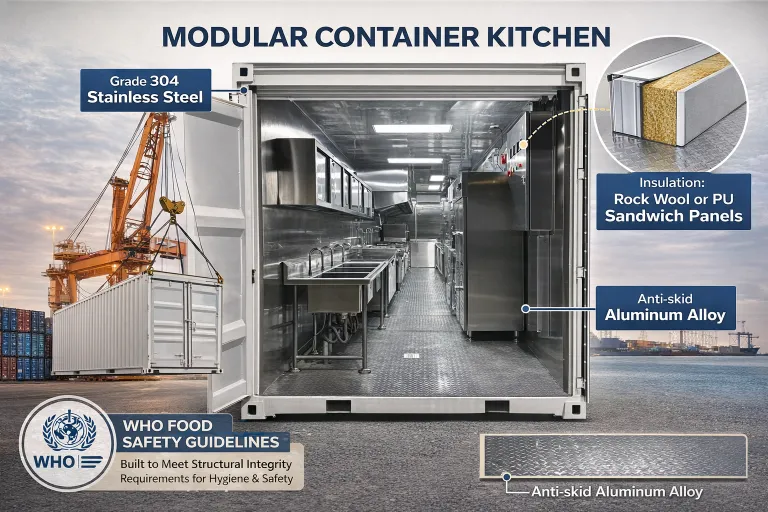
The main construction material is usually stainless steel, which is an effective corrosion-resistant material even in very harsh conditions. The reinforced and sturdy side and bottom panels have been designed more specifically to handle the water pressure that is created during the operation. As a result, we end up with a system that can be physically transported to the site, connected to the main water supply and drainage pipelines, and put into operation with minimal downtime, often without even necessitating any major civil engineering work.
The MBBR (Moving Bed Biofilm Reactor) approach is the basis for these systems; it represents a biological treatment method that is well known and widely used and it relies on tiny plastic media pieces that provide the surface for microorganisms to grow on. MBBR technology ensures a very effective level of treatment while occupying a very small space, which is why it is an ideal technology to be integrated in containerized solutions.
How the Treatment Process Works
The treatment process in a containerized sewage treatment plant takes place in a specified sequence of stages:
| Stage | Process | Purpose | Output |
| 1 | Screening | Remove large solids and debris | Pre-clarified inflow |
| 2 | Anaerobic / Aerobic Biological Treatment (MBBR) | Degrade organic matter using microorganisms | Biologically treated water |
| 3 | Clarification / Sedimentation | Separate remaining suspended solids | Clear effluent |
| 4 | Disinfection (UV or Chlorination) | Eliminate pathogens | Treated water for reuse or discharge |
Treated water quality is designed to meet environmental discharge standards and is suitable for direct reuse in irrigation or non-potable industrial applications.
Key Advantages Over Conventional Plants
The case for containerized sewage treatment emerges clearly when compared to traditional fixed infrastructure:
| Factor | Conventional Plant | Containerized System |
| Construction Time | 6–24 months | Days to weeks |
| Civil Works Required | Extensive | Minimal (hardened ground only) |
| Scalability | Fixed capacity | Modular — add units as needed |
| Mobility | Permanent | Relocatable by truck, rail, or ship |
| Cost vs. Traditional Build | Baseline | Up to 60% lower construction cost |
| Automation | Varies | Full PLC control available |
The modular design is a critical factor in capacity planning. One standalone containerized water treatment plant has enough power to treat sewage projects from 100 to 10,000 tons per day, simply by changing the number of modules deployed.
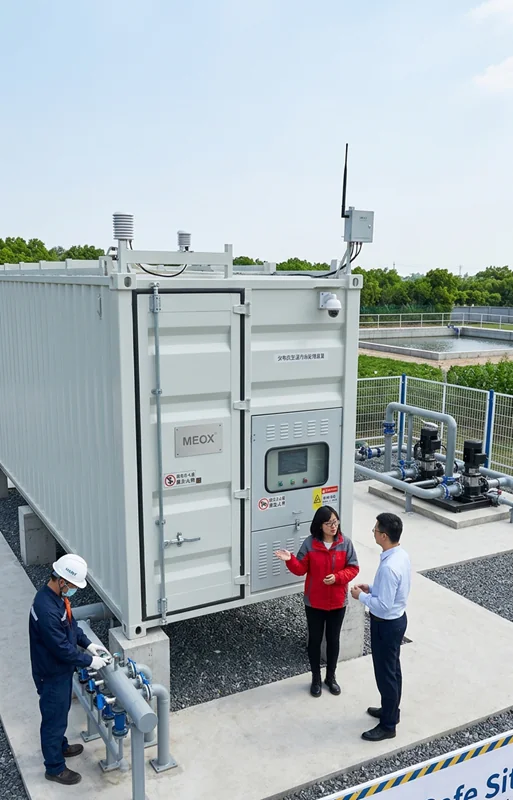
Where Is Containerized Sewage Treatment Used?
These systems support a wide variety of applications across industries and geographies:
- Urban and peri-urban wastewater treatment plants requiring rapid capacity expansion
- Scenic area and tourism zone sewage management, where low visual impact matters
- Service area and highway rest stop wastewater handling
- Construction camps and mining operations in remote or temporary locations
- Industrial parks and commercial facilities with moderate effluent volumes
- Disaster relief and emergency sanitation deployments
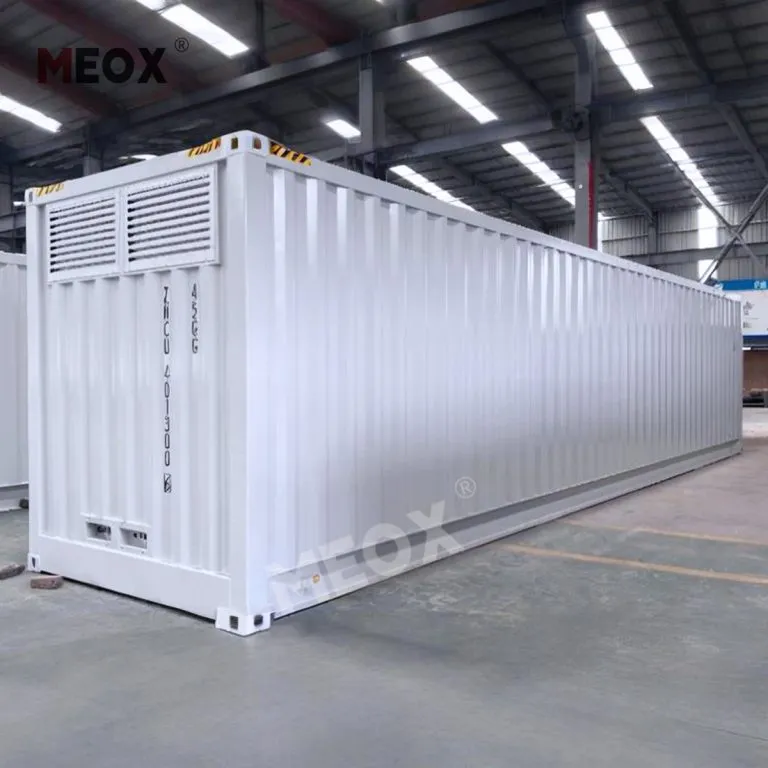
Industrial operators who require dependable power even in remote areas may achieve this by combining a containerized sewage unit with a generator container. This way, they get a complete energy and water solution in one container-based infrastructure.
Case Study: Portable Sewage Treatment Plant for a Remote Construction Camp
Project Background
A mid-sized construction contractor building infrastructure in Southeast Asia urgently required a dependable sewage treatment system for a worker’s camp that could accommodate around 400 people. The camp was situated in a rural area where no municipal wastewater system was available. The local environmental authority mandated that the treated water must meet the standards for domestic discharge before any release.
Challenges
- No existing sewage infrastructure on site
- Tight project schedule — sewage system needed to be operational within three weeks of ground mobilization
- Remote location with limited access to construction materials and skilled labor
- Need for system relocation once the construction phase concluded
Solution
The contractor purchased a containerized sewage treatment system from MEOX. It was designed to handle the processing of 150 tons of domestic wastewater daily. The stainless-steel unit was delivered as a pre-assembled package and was up and running only a few days after being handed over. The quality of the treated effluent complied with the stipulated discharge limits for the entire duration of the project. After the project was finished, the unit was moved to the contractor’s next site and as a result, there was no need to depreciate the capital investment.
Technical Specifications at a Glance
| Parameter | Specification |
| Treatment Capacity | 100 – 10,000 tons/day (modular) |
| Primary Structure | Stainless steel |
| Biological Process | MBBR (Moving Bed Biofilm Reactor) |
| Control System | Fully automatic PLC (optional) |
| Installation Requirement | Hardened ground surface only |
| Construction Cost Reduction | Up to 60% vs. conventional build |
| Effluent Standard | Meets environmental discharge requirements |
| Transport Modes | Truck, rail, or ship |
Units can be outfitted with insulating material, heat dissipation, and noise reduction components in situations where the conditions of the site demand it. Such extensive customization really allows containerized wastewater treatment to be effective both in tropical as well as cold-climate conditions.
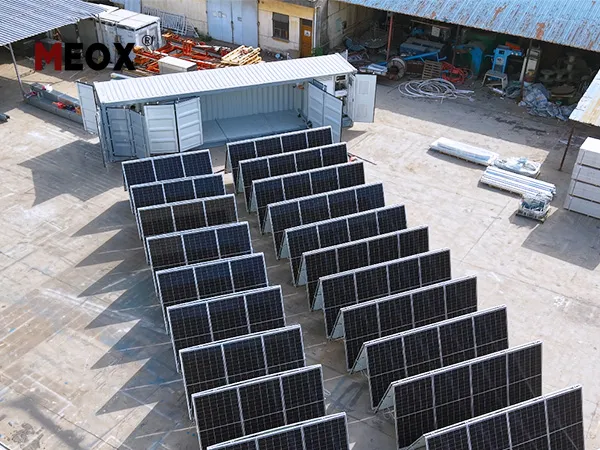
In case the project after the installation involves the usage of renewable energy, the setup can ideally be coupled with a mobile solar container to generate the energy supply, thereby minimizing reliance on the main grid and the emission of carbon.
Industry Context: Why Modular Wastewater Solutions Are Growing
The global market for decentralized wastewater treatment is growing at a fast pace. As a report by the United Nations Environment Programme in 2023, decentralized treatment systems, which also include modular and containerized ones, are being considered as cost-effective and scalable means for bridging the sanitation gap not only in urban fringe areas but also in rural ones.
This increase in demand comes from a combination of factors: stricter environmental rules, urban development happening faster than investment in centralized infrastructure, and the increasing economic viability of water recycling. Containerized sewage treatment is a solution that addresses all three issues.
Frequently Asked Questions
What types of wastewater can a containerized sewage treatment system handle?
Domestic sewage, commercial wastewater and light industrial effluents are all treated by these systems. The treatment process can be adapted based on the water quality and flow rate requirements of each project. For industrial effluents with highly unusual compositions, the process design may be modified even during the engineering phase.
How long does installation take compared to a traditional sewage plant?
Time of installation: The installation time varies depending on site conditions and on the number of treatment plants. For the containerized sewage treatment plant, it can be installed for several days up to a few weeks after arriving at the site. It is shorter than a conventional sewage treatment plant, which usually needs to be a several months civil erection period. The only requirement for the site is a stable, level surface; no foundation or concrete structures is necessary.
Can the system be expanded if wastewater volumes increase?
Yes. The modular design of a containerized wastewater treatment system allows work capacity to be increased by simply adding more units. Each module functions separately and is linked by standard pipes, so the extension is very doable and does not entail a complete revamp. This additional capacity also makes containerized systems ideal for those projects whose demand is either not known or keeps on growing.
Conclusion
Containerized sewage treatment is an effective and viable solution that can outweigh the disadvantages of conventional wastewater treatment facilities. Mixing modular design with very fast installation, less construction cost, and flexible operation, these systems have turned out to be a perfect choice for industries and communities that experience increased wastewater problems.
Besides remote camps, municipal projects, and industrial operations, containerized wastewater treatment plants can also be used for temporary facilities. In fact, they not only achieve the expected results but also make the whole project easier.
Ready to Explore Your Options?
When you could use a little help figuring out your wastewater management choices for a building project, a factory, or even a remote site, MEOX’s line of containerized water treatment plants clearly presents a convenient, expandable, and economical way to proceed.
Contact the team today to discuss your project requirements and receive a customized quote.
Disclaimer: The technical data, materials, and specifications referred to in this article correspond to MEOX container products that are self-manufactured by them. Specifications, materials, and technical details are subject to change given the project requirements and product configuration. Readers should reach out to the manufacturer for project-specific guidance.