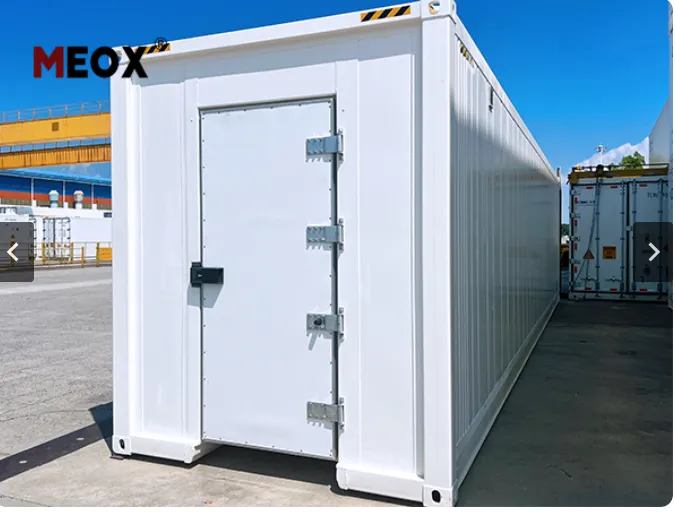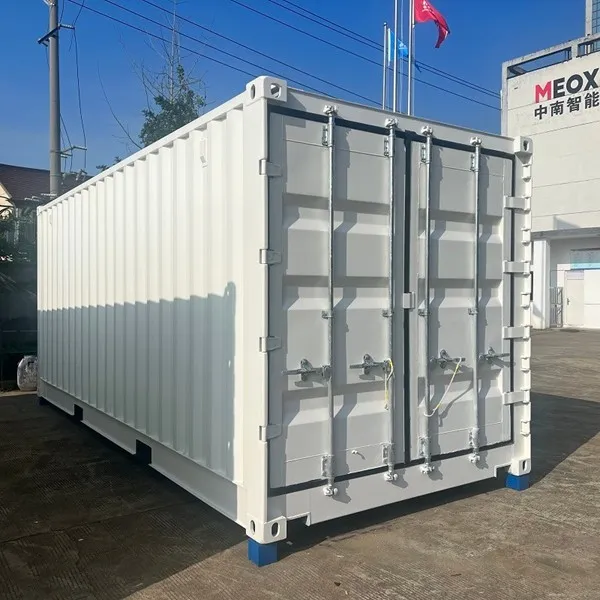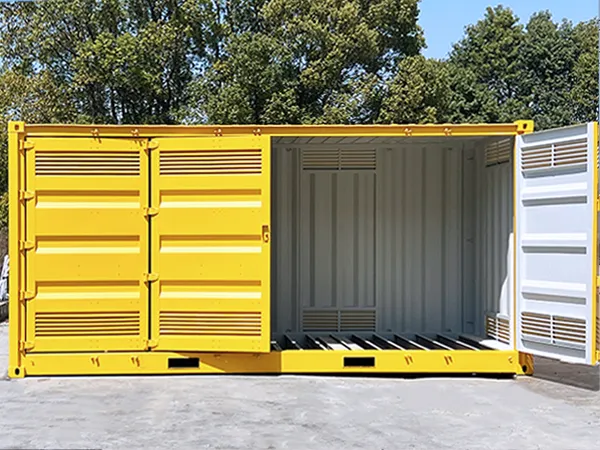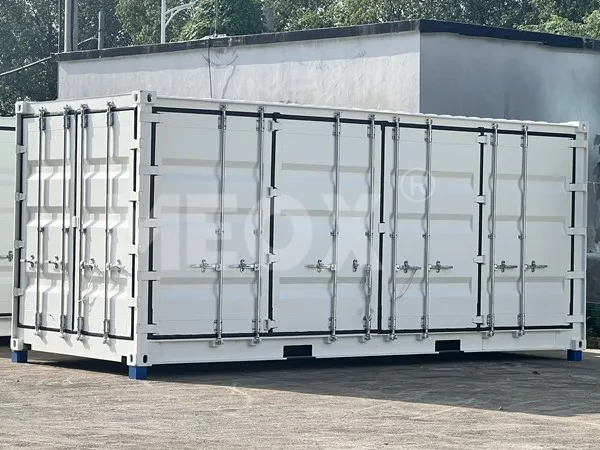
The transportation and storage of hazardous materials demand specialized solutions that prioritize safety, compliance, and durability.Dangerous goods containersare engineered to meet stringent international regulations while ensuring secure handling of flammable, toxic, or corrosive substances. Thesehazardous material packagingsolutions incorporate advanced safety features, corrosion resistance, and structural reinforcements to prevent leaks, spills, and accidents.
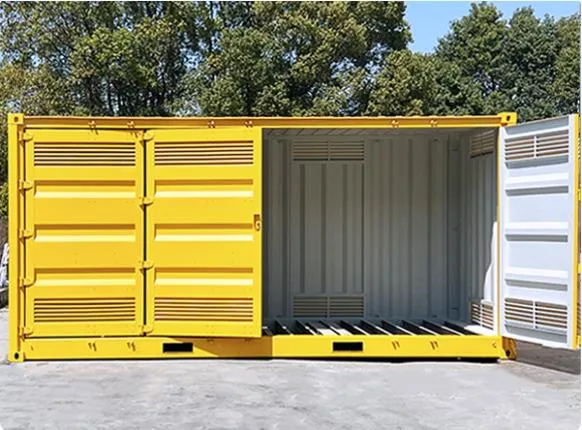
Key Features of Dangerous Goods Containers
·Explosion-Proof Design: Built to contain hazardous liquids, gases, and solids safely, minimizing risks during transport.
·Regulatory Compliance: Certified under CSC and Australian export standards, meetingdangerous goods container requirementsfor global shipping.
·Leak Prevention Systems: Equipped with drip trays and aluminum grating to capture spills and prevent waste compression leaks.
·Ventilation & Insulation: Designed with large vents, exhaust louvers, and insulated walls to ensure proper airflow and temperature control.
Dangerous Goods Container Requirements for Safe Transport
·Structural Integrity: Reinforced steel construction to withstand impact and compression forces.
·Safety Locking Mechanisms: Doors with internal release systems to prevent accidental entrapment.
·Standardized Sizing: Typically 20ft units with customizable door configurations (end doors, side doors).
·Certification Marks: Must display UN certification, CSC plates, and hazard class labels.
Why Choose Dangerous Goods Shipping Containers?
·Regulatory Assurance: Pre-certified to meet IMDG, ADR, and IATA standards for multimodal transport.
·Customizable Designs: Adjustable shelving, ventilation, and insulation for specialized cargo needs.
·Operational Safety: Non-slip flooring, ergonomic access points, and spill containment systems.
·Durability: Long service life even in extreme environments due to high-grade materials.
FAQs: Dangerous Goods Container Standards & Use
1.What safety features distinguish dangerous goods containers from standard units?
Dangerous goods shipping containersinclude drip trays, explosion-proof designs, reinforced walls, and ventilation systems to meet strictdangerous goods container requirements.
2.How do hazardous material packaging solutions prevent leaks?
Aluminum grating and sealed drip trays inhazardous material packagingcapture spills, while thick coatings resist chemical corrosion.
3.Are dangerous goods containers customizable for different hazard classes?
Yes,dangerous goods containerscan be modified with specialized vents, insulation, or shelving based on cargo type (Class 1-9).
4.What certifications are required for international transport of dangerous goods containers?
Dangerous goods shipping containersmust have CSC, UN, and class-specific certifications (e.g., IMDG for sea transport).
5.Why is ventilation critical in hazardous material packaging?
Proper airflow inhazardous material packagingprevents gas buildup and maintains stable temperatures during transit.
Dangerous goods containersprovide unmatched security for high-risk logistics, combining regulatory compliance, advanced safety systems, and adaptability. Whether for chemicals, waste, or specialized industrial cargo, these units ensure protection for people, environments, and supply chains.