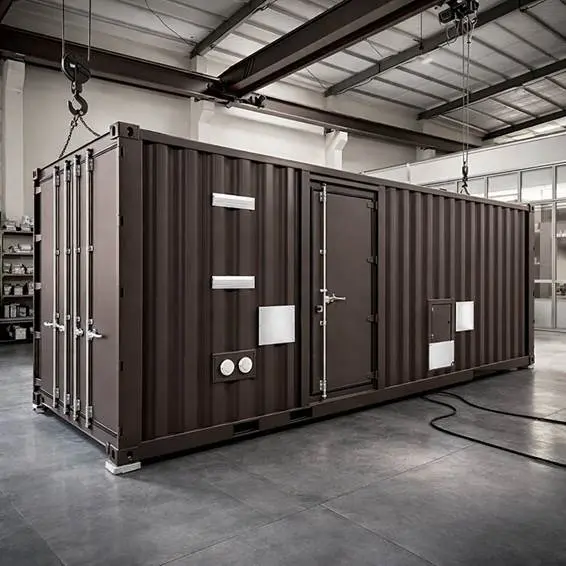
Medical and hazardous waste do not usually wait until the closest treatment facility becomes available. Hospitals, clinics, and industrial sites around the world are presented with the challenge of disposing of waste material safely. A waste container incinerator provides the solution to this problem. Being installed in a steel container, it has a fully equipped incineration system that can be delivered and set up in about two hours. This type of incinerator is particularly useful for companies in remote areas, including mountainous regions, islands, tourist zones, and places where emergency spills occur.
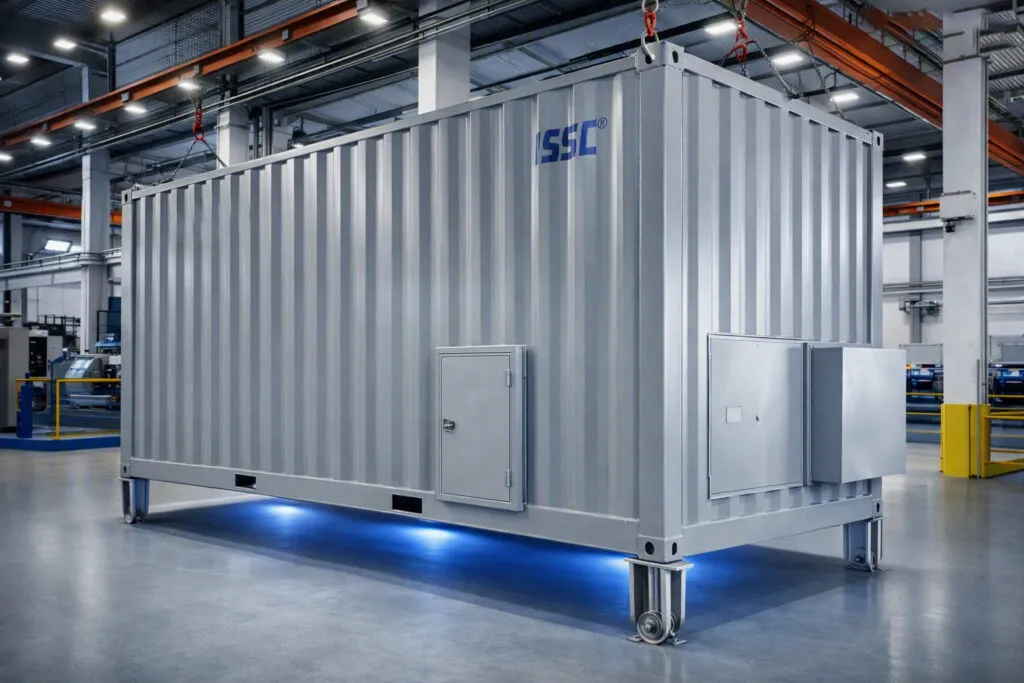
What Is a Waste Container Incinerator?
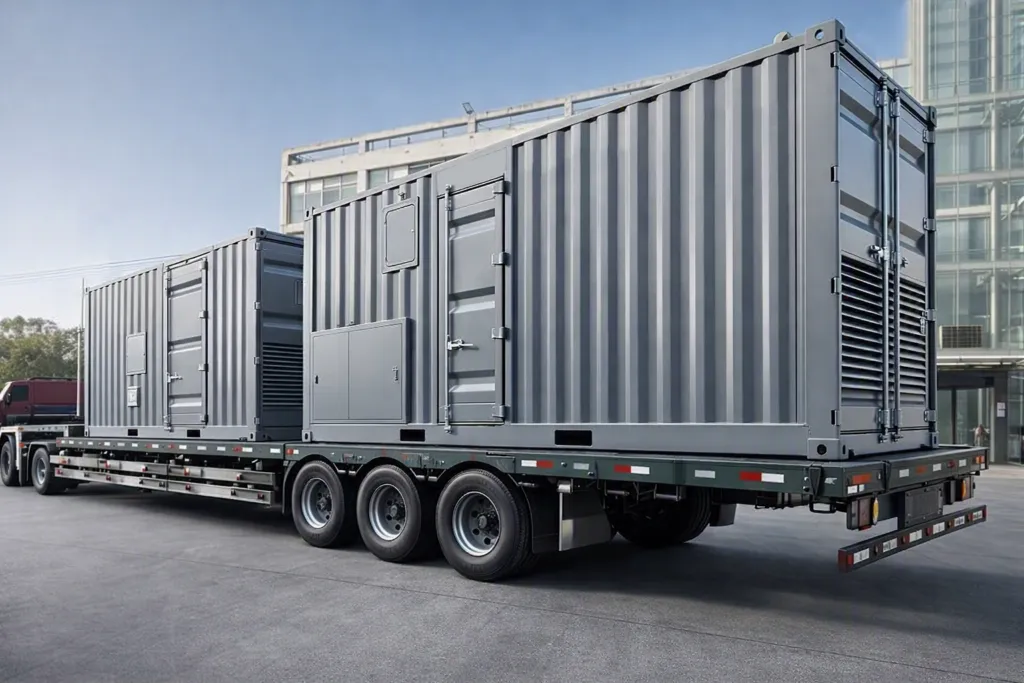
The incinerator within a waste container has a small footprint and is a compact system for environmental protection. In comparison to a regular incineration facility that needs capital construction and permanent civil works, the waste incineration system within the container rests on an automatic control system and can be loaded into a truck or any standard container for shipping. Because it is prefabricated and tested at the factory before it leaves the factory, the site work needed is reduced to utility hookups.
Waste Container Incinerator: Key Features at a Glance
| Feature | Description |
| Mobility | Transportable by road or standard container shipping; deployable on short notice |
| Setup time | Operational in approximately 2 hours after water and power connection |
| Control system | PLC-based automation with real-time monitoring |
| Footprint | Compact, single-container design with a small operational footprint |
| Fuel use | Energy-saving incineration of organic waste without auxiliary fuel |
| Waste forms handled | Solid, liquid, and gaseous organic waste |
| Radioactive waste | Configurable for incineration of radioactive materials with online monitoring |
How the System Works
Inside this type of mobile medical waste incinerator, in several subsystems that work together in an automated manner, there is a food supply, ventilation, hydraulics, rapid cooling, ignition, temperature control, compressed air, and dual dry acid gas removal. The waste supply comes from a contained negative pressure chamber and thus never comes into direct contact with the environment while sorting or loading. The incineration in the chamber reaches temperatures of 1,100–1,300°C, so more than 99.99% of toxic waste is destroyed during the process. As a result, 60–75% of the heat emitted during the process is recovered through a heat recovery circuit; hence, flue gas is released only after passing the spray-cooling stage and cleaning system, so the waste container incinerator can meet the emissions standards of the country without being obliged to have a separate treatment facility.
Waste Container Incinerator Emissions Data (Air Detection Results)
| Contaminant | National Standard | Measured Value |
| Smoke blackness | 1 | < 1 |
| Smoke (mg/m³) | 80 | 52 |
| CO (mg/m³) | 80 | 25 |
| SO₂ (mg/m³) | 300 | 50 |
| HCl (mg/m³) | 70 | 30 |
| NO₂ (mg/m³) | 500 | 25 |
| Dioxin TEQ (ng/m³) | 0.5 | 0.35 |
Why On-Site Treatment Matters
Health-care activities generate large volumes of waste, but only a fraction of it is hazardous. The World Health Organization notes that roughly 85% of health-care waste is general, non-hazardous material comparable to household waste, while the remaining 15% is infectious, chemical, or radioactive (WHO, Health-care waste fact sheet, accessed 2026). The waste container incinerator is specifically constructed to tackle that specific hazardous fraction, wrapping it up in a unique process, away from the general waste streams of the population or city infrastructure. The World Health Organization has also warned us that open firing and burning at relatively low temperatures releases dioxins as well as furans into the atmosphere, which explains why the conduct of closed and PLC-controlled burning is treated as something else altogether from open dumping of toxic waste materials.
The historical regulations favor the same conclusion. At one time in the USA, almost all infectious wastes (over 90%) were incinerated until tough emission guidelines were imposed by the Environmental Protection Agency first in 1997, and again in 2009 (US EPA, Medical Waste). Rather than moving away from incineration, the industry moved toward tighter combustion control and flue-gas treatment — the same direction reflected in the emissions figures above.
On-Site Waste Container Incinerator vs Off-Site Disposal
| Factor | Waste Container Incinerator (On-Site) | Off-Site Disposal |
| Transport risk | Minimal; waste is treated where it is generated | Waste travels by road, with spillage and exposure risk |
| Setup time | About 2 hours after utility connection | Depends on contractor scheduling; days to weeks |
| Suitable locations | Islands, mountains, disaster zones, temporary sites | Requires an accessible road network to a fixed plant |
| Emergency response | Deployable for sudden pollution events | Not typically available on short notice |
| Ongoing operation | PLC-controlled on-site, low labor requirement | Depends on third-party logistics coordination |
Case Study: An Island Clinic Network
A healthcare system that provides services in various small islands faced a constant issue of medical waste. Typically, medical waste is transported on ferries to reach a mainland facility. However, there are delays while waiting as rough sea conditions disrupt the scheduled transportation. Infectious waste would pile up in the clinics without proper management, putting staff and the local population at risk of infections.
The network installed a waste container incinerator at two of its busiest island clinics. Every machine established its connection with water and electricity services and started functioning within the two-hour limit. The waste, which formerly was waiting for transport for several days, is now treated immediately after generation. The closed, low-pressure process of loading waste eliminated risks associated with its storage before it is loaded onto a ferry. Clinics do not need to rely anymore on transportation from the mainland and manage their own waste.
Frequently Asked Questions
How long does it take to get a waste container incinerator operational on-site?
Once connected to water and electricity, the unit is generally ready for operation within about two hours, since the incineration, ventilation, and control systems are pre-installed and factory-tested before delivery.
Can a waste container incinerator handle radioactive or chemical waste, not just medical waste?
Yes. Beyond infectious medical waste, the system is engineered for organic chemical waste in solid, liquid, or gas form, and can be configured with isolated discharge zones and online radiation monitoring to meet requirements for radioactive material.
What happens to the heat produced during incineration?
Rather than being lost, 60–75% of the heat generated during combustion is recovered for reuse, which helps lower the operating cost of running the unit compared with systems that have no heat-recovery loop.
Getting Started
Facilities weighing on-site incineration against continued reliance on off-site contractors can start by checking the emissions and setup data above against their own site’s power, water, and waste-volume needs. For sites already managing other categories of regulated waste, a Dangerous Goods Container can handle interim storage and transport ahead of treatment, and a Containerized Water Treatment Plant addresses the liquid-waste side of the same compliance picture. Sites running diagnostic or testing programs alongside their waste stream may also want to look at a Shipping Container Laboratory. MEOX designs and manufactures each waste container incinerator to order, so specifications can be adjusted to a facility’s waste volume, power supply, and site constraints — reach out with your project details to start that conversation.
DisclaimerThe information regarding technical specifications, sizes, and operational parameters that is presented in this article is based on the manufacturer’s data concerning its own incinerators. Technical characteristics, materials, and specifications may not be identical depending on configuration, and the supplier may come up with changes at any time, so please check for the exact data with MEOX whene