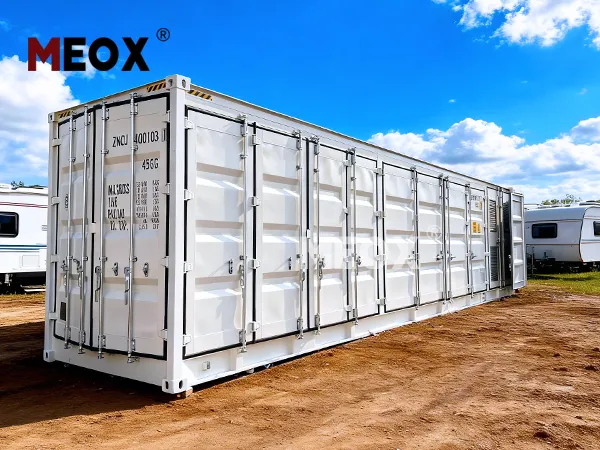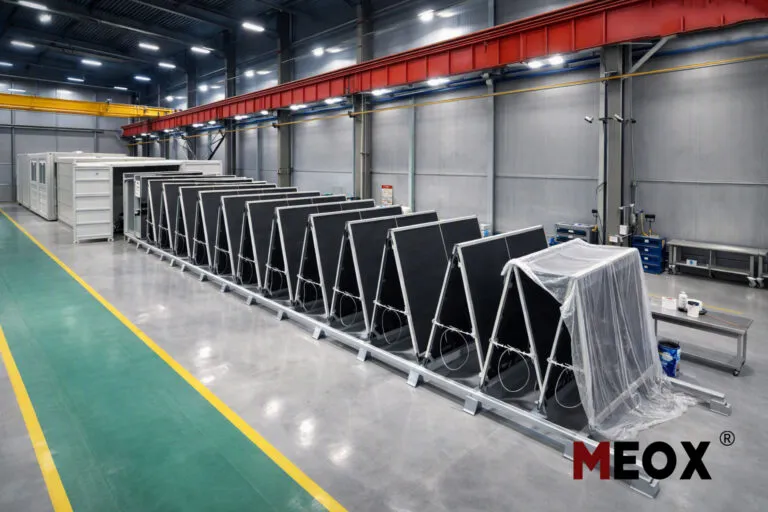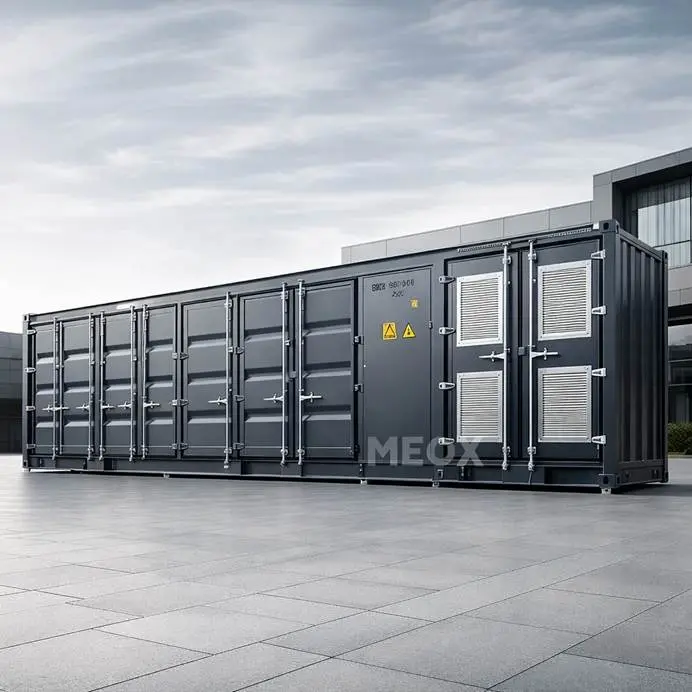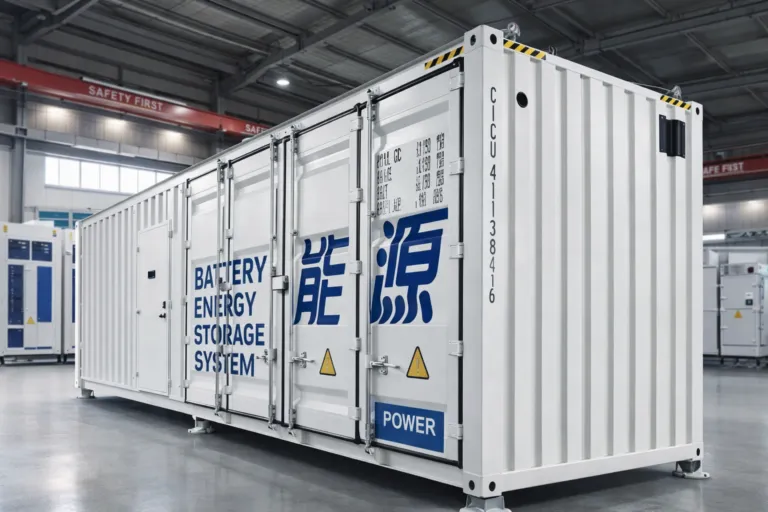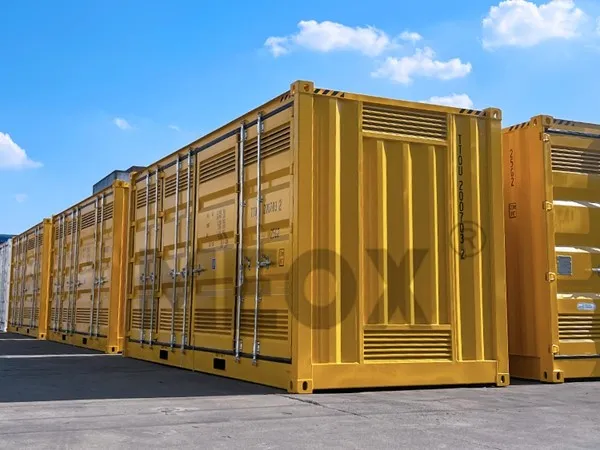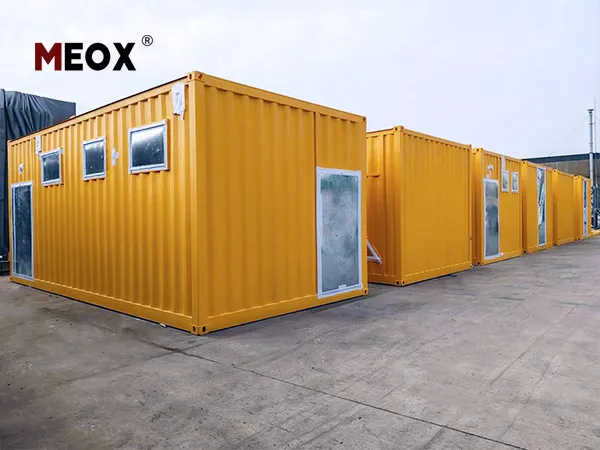
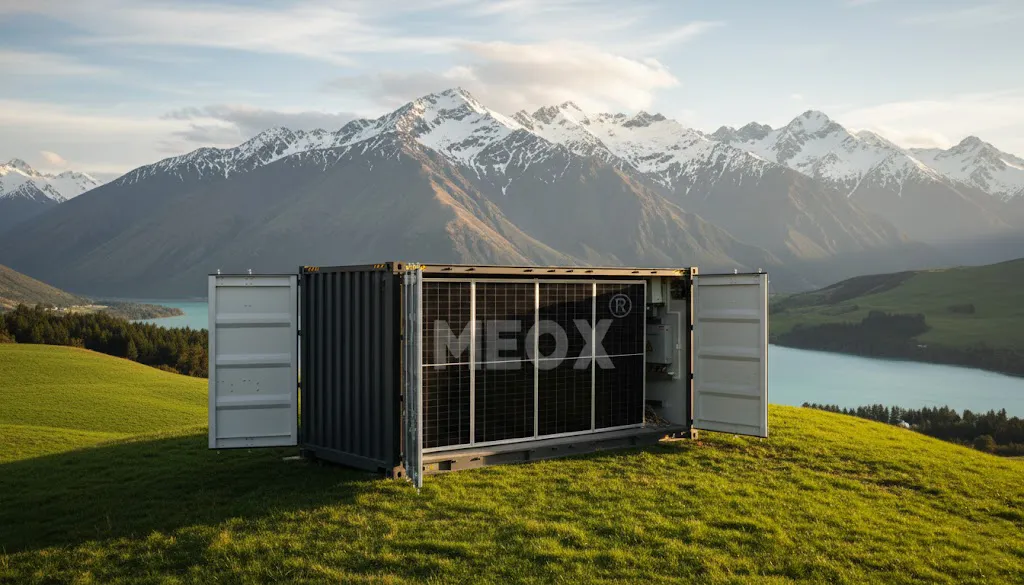
The demand for an efficient solar container New Zealand has increased considerably as the country moves towards renewable energy. With New Zealand’s goal to become a net-zero carbon country, there have been lots of new technologies popping up that can provide the needed portable power. These units are a fusion of the ruggedness of shipping containers with cutting-edge solar technology. They provide a flexible solution for construction sites, remote farms, and off-grid living. Here, we look at how these portable modules are reshaping energy self-sufficiency in the entire Kiwi environment.
For more than seven years, I have been holding the position of Senior Solutions Architect at MEOX. My work mainly revolves around sustainable modular engineering and the incorporation of renewables in energy. I am an expert in creating very efficient power systems that can endure the harshest of environments and yet perform at their peak.
Why New Zealand Needs Off-grid Energy Storage
New Zealand’s geography creates very distinctive challenges for the national power grid. In fact, remote areas regularly suffer from very costly infrastructure or unstable power supply. Off-grid energy storage NZ systems can deliver that important link to energy security. Taking advantage of the plentiful sunshine in such locations as Marlborough or Northland, people are able to cut down on using diesel generators. The MEOX‑20HSO’s 261 kWh battery allows construction sites to operate for up to 18 hours without diesel backup — a duration 30–40% longer than typical mobile solar units. A dairy farm in Canterbury replaced two diesel generators with a MEOX‑40HSO, cutting weekly fuel deliveries from 3 trips to 1.
The Energy Efficiency and Conservation Authority (EECA)report emphasizes that utilizing locally sourced renewable energy is essential to cutting down on the country’s carbon emissions. Transitioning to such energy forms is more than an environmental issue; it also concerns the financial robustness of rural enterprises.
The Anatomy of a Mobile Solar Power Station
A mobile solar power station is not just panels on a box; it is a complex, well-integrated system. Such units generally make use of a 20ft high-cube container as their foundation. They contain lithium-ion battery banks, high-efficiency inverters, and climate control systems inside. The outside is equipped with foldable solar arrays to get the most surface area.
| Technical Parameter | MEOX-20HSO (Off-Grid) | MEOX-40HSO (Off-Grid) |
| Container Type | 20ft High Cube | 40ft High Cube |
| Solar Array Capacity | 74.34 kWp | 148.68 kWp |
| Battery Compatibility | 125 kW/261 kWh Liquid Cooling | 125 kW/261 kWh Liquid Cooling |
| Quantity of Solar Modules | 126 Units | 252 Units |
Table: Key Specifications for MEOX Off-Grid Solar Container New Zealand Models
Technical Performance and Durability
New Zealand has a very high exposure to solar radiation, and coastal areas are affected by salt spray; however, outdoor equipment is expected to be reliable. Premium solar container New Zealand units are equipped with anti-corrosion coatings of the highest quality. Moreover, the container is structurally strong enough for it to be transported via rail or truck without any problem. Thus, the delicate interior equipment is kept safe even though the container is moving.
Applications in Sustainable Container Housing Solutions
The solar container is the main energy source in case one is interested in eco-friendly housing made out of containers. It can be placed next to a prefab home and power the whole house. This arrangement is perfect for “tiny home” lovers wanting the “off the grid” lifestyle without giving up the amenities of the modern world.
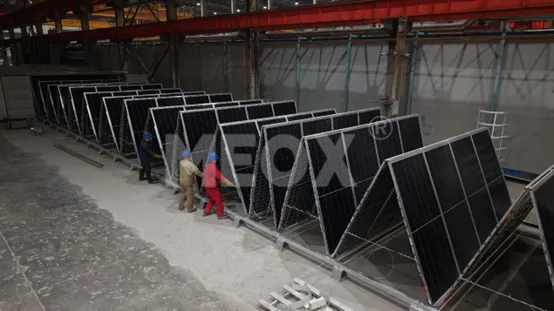
Research from the Sustainable Energy Association of New Zealand (SEANZ) shows that modular developments with integrated solar-plus-storage systems are mainly going for these systems due to the “plug-and-play” nature of such systems (Source: Vector).
Key Benefits for Kiwi Users
Rapid Deployment: These units are ready to use within hours of arrival at your site.
Mobility: If your project moves, your power source moves with you.
Rugged Design: Built to withstand the harsh South Island winters and North Island humidity.
Clean Energy: These units produce zero noise pollution and zero carbon emissions.
Case Studies
Case Study 1: Marlborough Vineyard
Company: Wairau Hills Vineyard
Location: Marlborough, New Zealand
Date of Installation: March 2024
Problem: The vineyard depended on diesel generators for their irrigation system and to keep the produce cool during the harvest season. The cost of fuel was going up, and regular power cuts were causing problems for the work.
Solution: 20ft MEOX20HSO solar container was deployed onsite. It provided stable off grid power with integrated batteries and required no major construction. The system was operational the same day it arrived.
Testimonial: “In the very first month, the solar container reduced our diesel consumption to less than half. Its quiet and dependable, and we can relocate it from one block to another if necessary.“
— James Rudd, Operations Manager, Wairau Hills Vineyard
Case Study 2: Northland Eco‑Village
Company: Kauri Ridge Eco‑Living Community
Location: Northland, New Zealand
Date of Installation: July 2023
Problem: The community of 12 off, grid homes were in need of a clean, reliable source of energy. Their tiny solar systems were ineffective in winter, and connecting to the grid was too costly.
Solution: A 40ft MEOX, 40HSO solar container was set up as a central microgrid. With the help of its foldable solar wings and big battery bank, it is now able to supply power to all houses throughout the year.
Testimonial: “Finally, our residents have been enjoying steady power supply even during the winter. The container basically allowed us to keep being fully off, grid without any compromise on our comfort.”
To know more about MEOX’s Mobile Solar Container, visit our Product Page here.
Conclusion
The New Zealand solar container market is expected to grow fast as industries look for greener options. The portable solar containers represent a huge step forward in portable infrastructure. They combine high-capacity lithium storage with top-tier solar modules to provide a level of reliability that conventional portable generators just cannot deliver. Whether you are running a remote site in the Southern Alps or creating a green off-grid home in the Coromandel, these containers have the capability to supply power for heavy machinery as well as household appliances.
As tech gets better and the price of carbon goes up, New Zealand’s infrastructure projects will probably see the use of mobile solar plants as the norm. They are the perfect combination of being both structurally strong and environmentally friendly; hence, even the most isolated areas in New Zealand will have access to reliable and sustainable power. Purchasing such a product is not only an eco-friendly decision but also a wise decision in terms of attaining energy self-sufficiency in the long run.
If you are going to add a solid green energy component to your project, why not look for one that can be trusted? MEOX is a company that produces premium energy storage containers that can be used in industrial or residential settings. We have a team of experts that can guide you in choosing the right power solution for your location.
FAQs
How long does the battery last in a solar container?
The lifespan depends on the type of battery chemistry. Most newer models come with Liquid Cooling Lithium batteries (LFP). In general, these last up to 10 to 15 years with normal daily usage.
Can solar container units withstand New Zealand’s high winds?
Yes, the solar arrays come with mounting systems that allow them to be firmly secured. Additionally, the panels can be folded back into the container during extreme weather events like cyclones to provide protection for the panels.
Is a permit required to install a solar container on my property?
They are quite commonly categorized as mobile or temporary units. In most areas, they will generally need less paperwork than a permanent building.
However, you should definitely consult your local District Council to find out about the particular zoning laws.
Disclaimer:The technical data and materials presented in this article are references from MEOX’s own manufactured containers; actual specifications, materials, and technical data may differ.
Warranty Terms & Safety Notices: The solar container offers an easy, to, understand warranty statement with details on the components that are covered, and for what duration, thus giving the buyers assurance of the product’s bucket utility in the future. Besides, it is equally critical that very basic safety warnings are put in place as the system comprises high, voltage electricity components and lithium batteries. Installation and electrical work must be done by certified professionals only, and users should abide by the handling and operation instructions given to them to maintain the safe and dependable use of the product.
Watch the following video titled Built to Last: How MEOX Ensures Quality in Solar PV Containers