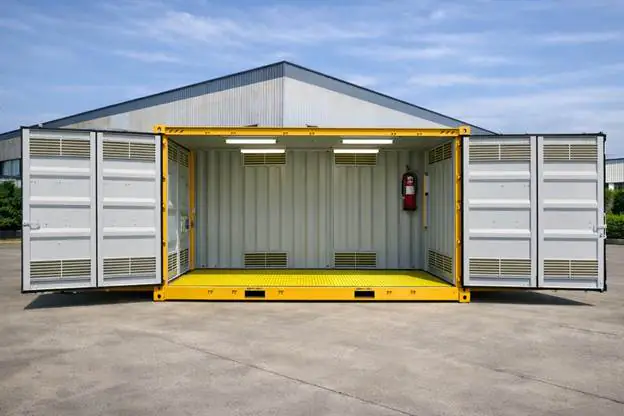
Global energy demand has become more and more uncertain, so the capacity to store and release energy rapidly has turned into a strategic goal. In this context, batteries in containers are a very convincing solution. They combine large batteries with tough, movable boxes that can be set up and ready to use just a few hours after delivery. This piece of writing discusses the functioning of these containerized energy storage systems, their locations of installation, and the factors that potential purchasers should weigh when considering a battery energy storage container for their upcoming project.
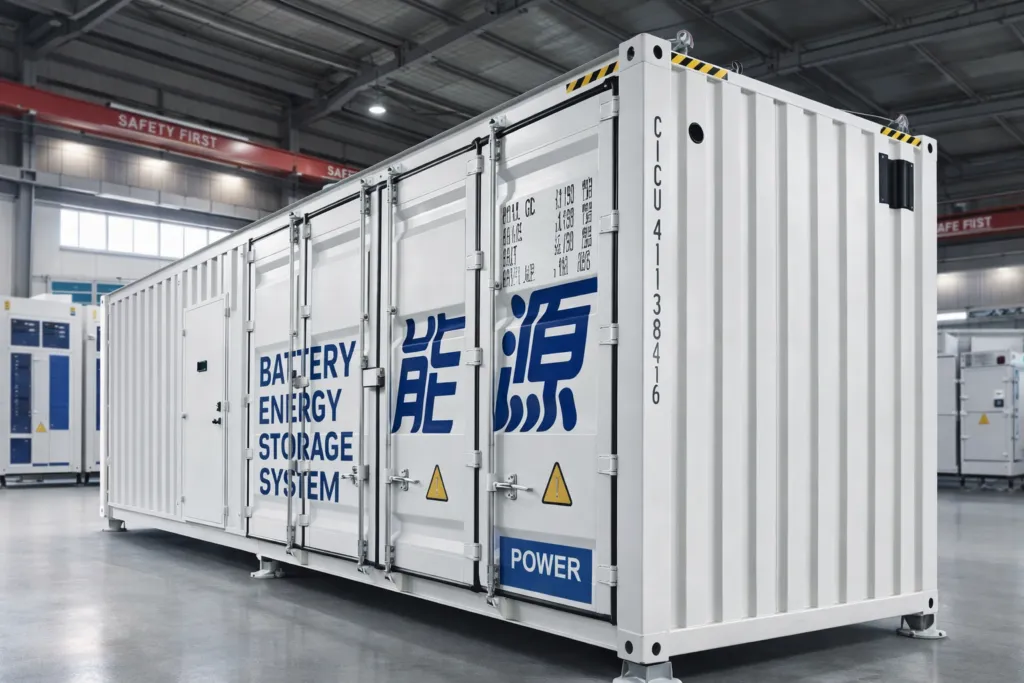
What Is a Battery Energy Storage Container?
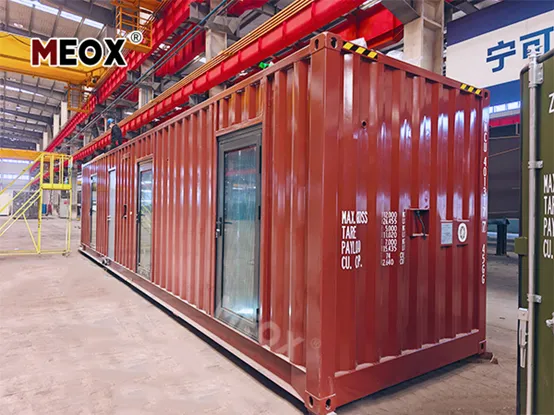
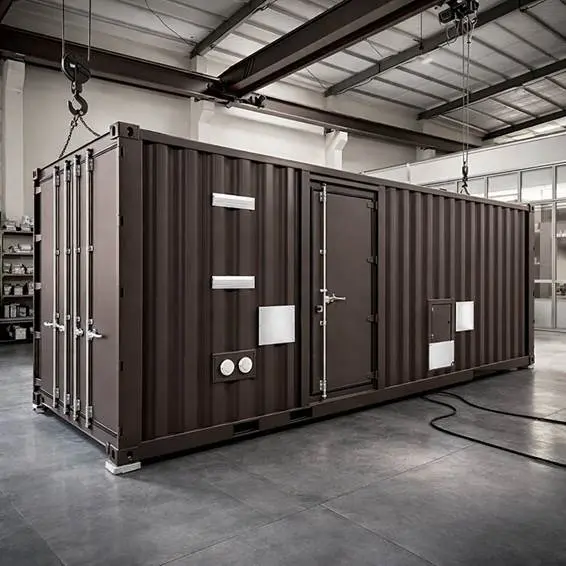
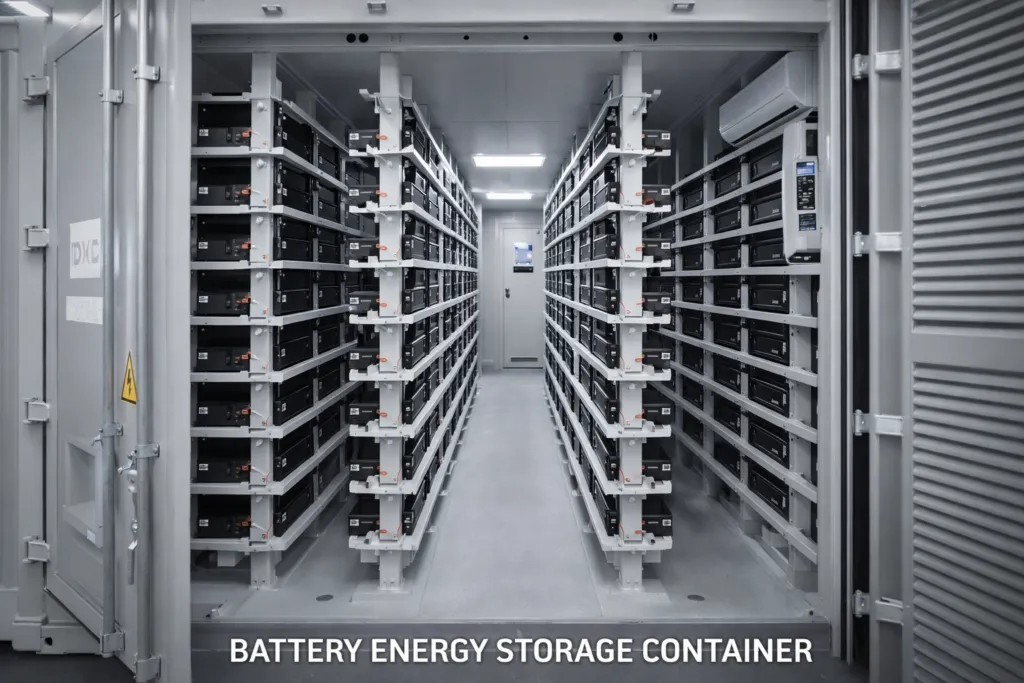
A battery energy storage container is basically a power station packed inside a regular shipping container frame – most of them are about 40 feet long. This container encloses battery units, power conversion systems (PCS), a battery management system (BMS), thermal control installations, and fire protection facilities; all these components are interconnected and tested at the factory before shipping.
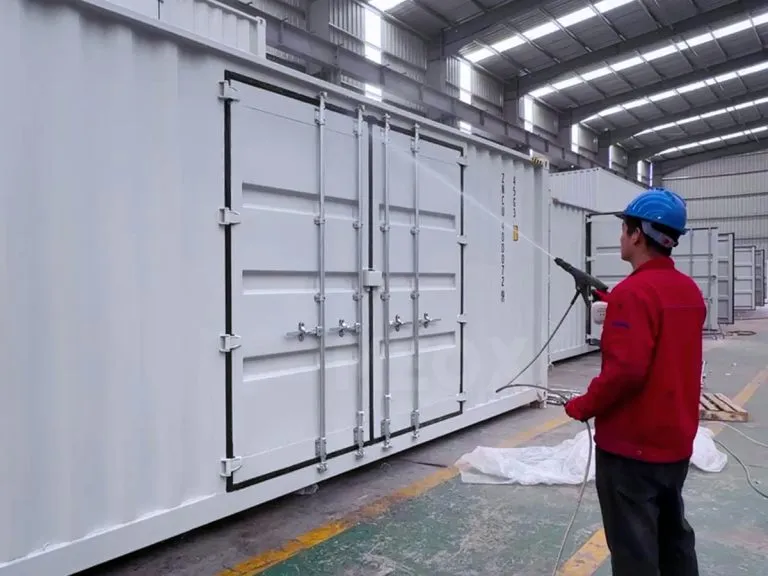
These container shells are created to withstand very tough conditions. Usually, structural panels are made of SPA-H weathering steel and a welded Corten frame is used, which gives a high level of resistance to corrosion with mechanical strength. The internal walls have rock wool insulation panels which help in keeping the battery cells’ operating temperature stable.
Since the entire system is put together inside a standard ISO footprint, it can be delivered using different means of transport like road, rail, or sea, and practically set up at any place that is capable of receiving a normal container delivery.
Key Technical Parameters (40FT Battery Energy Storage Container)
The table below lists the main structural and dimensional features of a typical 40FT battery energy storage container:
| Parameter | Specification |
| External Dimensions (L × W × H) | 12,192 mm × 2,438 mm × 2,896 mm |
| Internal Dimensions (L × W × H) | 11,978 mm × 2,127 mm × 2,593 mm |
| Internal Cubic Capacity | 66 m³ |
| Roller Shutter Door (W × H) | 4,646 mm × 2,559 mm |
| Total Dry Film Thickness | 220 microns |
| Tare Weight | 5,500 kg |
| Frame Material | Welded Corten steel (SPA-H panels) |
| Insulation | Rock wool panels (interior lining) |
| Locking Hardware Coating | Hot-dip galvanized, 75 microns thickness |
Why Containerized Battery Storage? Key Advantages
The trend of moving energy storage systems into containers is mainly due to practical and economic reasons, among others. The International Energy Agency (IEA) estimates that the global capacity for battery storage is being increased at a very rapid pace, with the amount of grid-scale deployments of storage growing by more than 50% each year over the past few years – a trend that really highlights the demand for solutions that are scalable and easily deployable (IEA, World Energy Outlook 2024).
Containerized systems address several limitations of fixed-installation storage:
- Rapid deployment: factory integration means on-site installation is a matter of connection rather than construction.
- Scalability: multiple units can be deployed side by side as energy demands grow.
- Mobility: the system can be relocated between sites when project requirements change.
- Reduced civil works: no permanent foundation is required in most deployments.
For mining construction disaster response, remote telecom, and similar industries, these benefits mean a direct impact on lowering the total cost of ownership as well as the time to power being quicker.
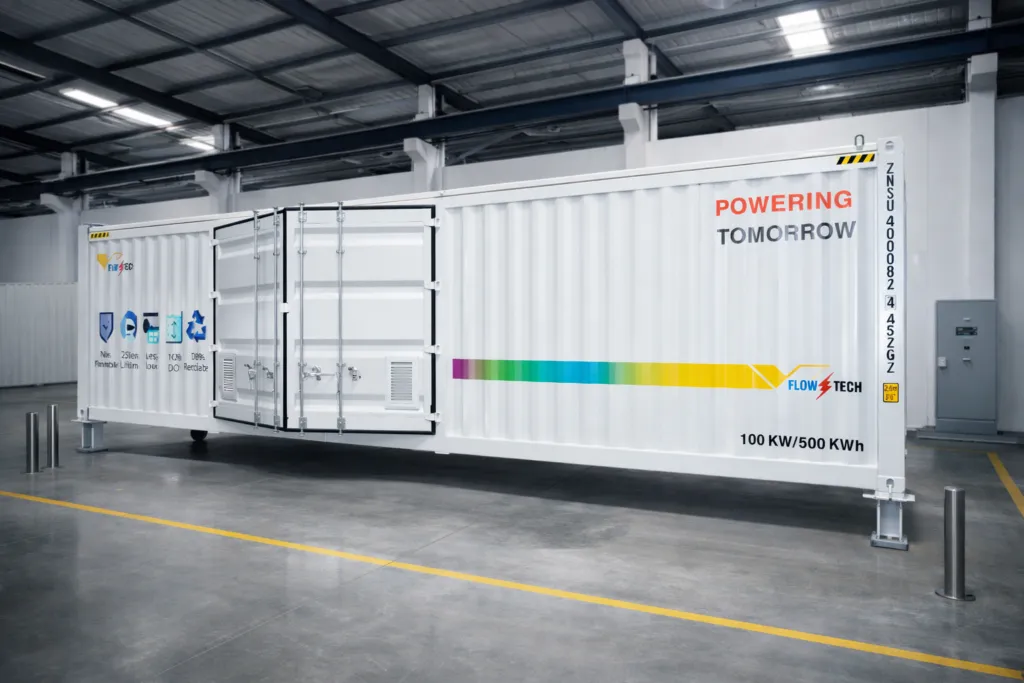
Where Battery Energy Storage Containers Are Used
These systems are portable and self-contained, so they can be used in almost any environment. What comes next table below shows how different deployment scenarios typically line up with their requirements:
| Application Sector | Typical Challenge | How Container Storage Helps |
| Remote mining operations | No grid connection; fuel logistics costly | Stores solar or wind energy; reduces diesel dependency |
| Emergency and disaster relief | Grid failure; urgent power needed | Rapid deployment provides immediate backup power |
| Construction sites | Temporary power during build phase | Portable, removable after project completion |
| Renewable energy integration | Solar/wind intermittency | Stores surplus energy for dispatch during low-generation periods |
| Telecommunications infrastructure | 24/7 uptime requirements at remote towers | Provides reliable off-grid power with battery redundancy |
| Island or off-grid communities | High fuel import costs | Supports hybrid solar + storage microgrids |
This wide range of uses is one of the reasons why the off-grid container power system category is among the fastest-growing segments in containerized infrastructure.
Battery Energy Storage Container vs. Diesel Generator: A Comparison
There are still lots of project managers who think of diesel generators first when it comes to temporary or remote power. Then again, the way a containerized battery energy storage system operates is very different. A recent report by BloombergNEF shows that the levelized cost of storage (a way of measuring the cost-effectiveness) for utility-scale battery systems has dropped by over 90% in the last ten years, which has resulted in battery storage becoming more and more competitive cost-wise with fossil fuel options for a large variety of uses (BloombergNEF, Energy Storage Market Outlook 2024).
| Comparison Factor | Battery Energy Storage Container | Diesel Generator |
| Fuel cost | None (charged via grid or renewables) | Ongoing; subject to price volatility |
| Emissions | Zero operational emissions | CO₂, NOₓ, particulate matter |
| Noise | Silent operation | High noise output |
| Maintenance frequency | Low; BMS-monitored | Regular oil, filter, and fuel system servicing |
| Response time | Instantaneous | Requires warm-up time |
| Scalability | Modular; add units as needed | Limited by generator sizing |
One should bear in mind that battery storage and generators may often complement each other. In fact, hybrid systems, i.e., the combination of a generator container and a battery energy storage container, are becoming quite frequent in tough off-grid scenarios where standalone battery systems are unable to satisfy the peak load demands.
Case Study: Remote Energy Camp in Sub-Saharan Africa
Client Background and Challenge
A regional energy firm operating a field camp in Sub-Saharan Africa needed reliable power for a 200-person workforce accommodation. The site had no grid connection, and the diesel generator setup consumed approximately 1,200 liters of fuel per week. Extreme ambient temperatures exceeding 45°C were also degrading battery performance in conventional setups.
Solution Provided
MEOX has delivered 2 x 40FT battery energy storage container systems combined with a solar input array. The containers were erected on a welded SPA-H Corten frame with rock wool internal insulation to keep cell temperatures at safe operating levels even in the presence of ambient heat. The roller shutter access doors enabled the on-site engineers to carry out servicing of the BMS and power conversion parts without requiring any special equipment.
The hybrid system decreased diesel usage by around 65% within the first 3 months of operation, as well as completely getting rid of downtime unplanned due to generator maintenance. The client has now placed an order for a third unit in the camp area.
Frequently Asked Questions
What battery chemistry is typically used in a containerized energy storage system?
Most commercial battery energy storage containers employ lithium iron phosphate (LFP) chemistry, which is appreciated for its thermal stability, long cycle life, and safer discharge characteristics compared to earlier lithium-ion formulations. Lithium nickel manganese cobalt oxide (NMC) cells are used in some applications where high energy density is the main consideration. The chemistry choice is dictated by the operating environment, discharge profile, and safety requirements of the particular installation.
How is thermal management handled inside the container?
Thermal management is one of the most critical design considerations in a battery energy storage container. Systems typically combine insulated container walls (rock wool is common), active air conditioning or liquid cooling loops, and a BMS that monitors individual cell temperatures and adjusts discharge rates accordingly. Containers destined for extreme climates — high desert heat or arctic cold — may incorporate additional HVAC capacity or heating elements to maintain cells within their optimal operating range.
Can a battery energy storage container be integrated with an existing solar or wind installation?
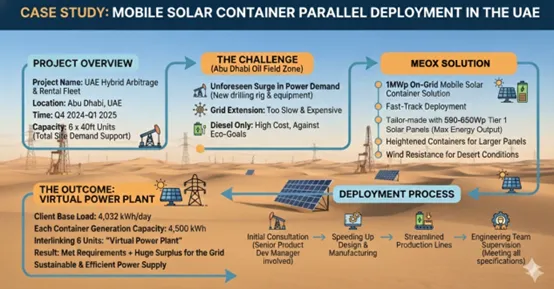
Yes. Using a hybrid renewable energy system always involves the deployment of battery energy storage containers, which are paired with either a mobile solar container or a fixed photovoltaic array. As such, the power conversion system (PCS) installed inside the storage container controls the two-way energy flow, i.e., charging the batteries when there is excess generation, and dispatching the power stored during demand peaks or generation shortfalls. Thanks to standard communication protocols (like Modbus or CAN bus), these can be integrated with most modern renewable energy control systems.
Get in Touch with MEOX
If you are considering containerized energy storage for a remote location, emergency backup, or renewable energy integration, MEOX’s engineering team would be happy to assist you in identifying the ideal configuration. MEOX designs and manufactures battery energy storage containers that are capable of withstanding the most demanding operating conditions, ranging from single-unit deployment to multi-container hybrid power systems.
Visit the battery energy storage container product page or reach out directly to discuss your project requirements.
Disclaimer: All technical data, materials, and specifications listed here are based upon the container products produced by MEOX. There may be variances in the specifications, materials, structural design, and/or technical details of container products depending on customized production requirements, customer request, and/or construction changes made during production. You should always verify any figures with the manufacturer when deciding where to purchase or make a decision based upon the design.